
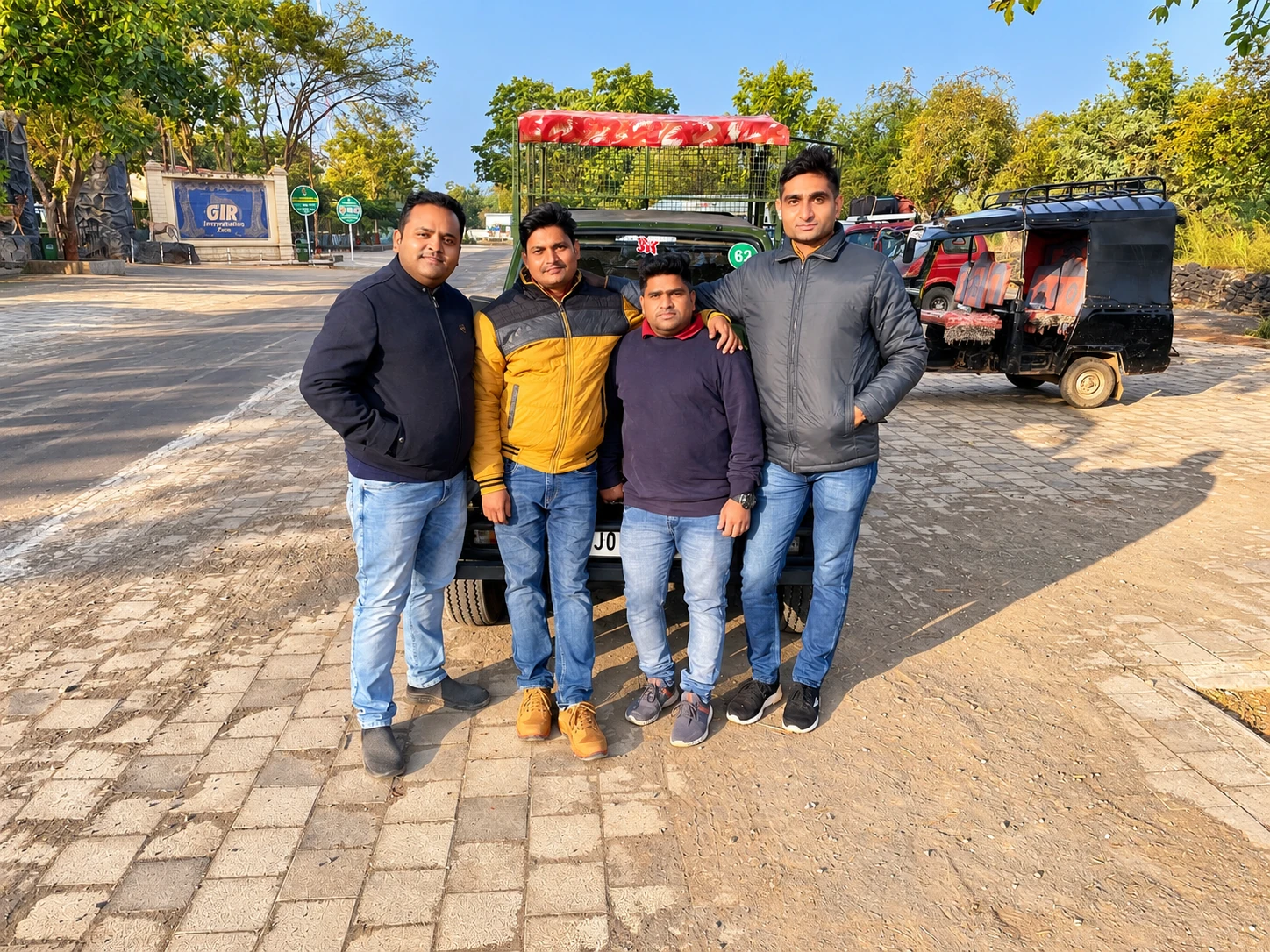
Gir National Park in Gujarat, India, is one of the country's most remarkable wildlife destinations. Famous for protecting the last surviving wild population of Asiatic lions, Gir attracts wildlife enthusiasts, photographers, nature lovers and travellers from around the world. Its dry deciduous forests, rocky hills, open grasslands and seasonal water bodies create a unique environment where diverse wildlife thrives.
A Gir National Park safari offers visitors an opportunity to explore this extraordinary ecosystem in an authorised safari vehicle accompanied by a registered guide. Along with the majestic Asiatic lion, visitors may encounter leopards, spotted deer, sambar, nilgai, crocodiles and numerous bird species.
Whether you are planning a short wildlife excursion, a family holiday or a dedicated lion photography tour, this comprehensive guide explains everything you need to know about Gir National Park, including its location, best time to visit, safari permits, timings, attractions, wildlife and travel tips.
1. About Gir National Park
Gir National Park and Wildlife Sanctuary is located in the Saurashtra region of Gujarat. It is internationally recognised as the principal natural stronghold of the Asiatic lion, a distinctive lion subspecies that once occupied a much wider range across parts of Asia.
Gir's protected landscape includes dry deciduous forests, teak woodland, scrub vegetation, grasslands, rocky terrain and river valleys. These habitats support a rich variety of mammals, reptiles, birds and other wildlife.
The region's conservation history is particularly significant. Protection measures, habitat management and the involvement of local communities have helped the Asiatic lion population recover from a critical historical decline.
The wider Gir protected landscape covers approximately 1,412 square kilometres. This figure refers to the broader protected area and should not be confused with the smaller national park core.
Gir is much more than a destination for spotting lions. It is also an important place to appreciate biodiversity, understand wildlife conservation and experience the natural beauty of Gujarat.
2. Why Is Gir National Park Famous?
Gir is best known for its Asiatic lions, but several other features make it an exceptional wildlife destination.
- Asiatic lions: Gir is the principal natural habitat of wild Asiatic lions.
- Rich biodiversity: The forest supports leopards, hyenas, jackals, deer, antelopes, crocodiles and numerous other species.
- Birdwatching: Forests and water bodies attract resident and migratory birds.
- Scenic landscapes: Dry forests, rugged hills, open clearings and river valleys create varied scenery.
- Wildlife photography: The park offers opportunities to photograph lions and other animals in their natural surroundings.
- Conservation heritage: Gir demonstrates the importance of long-term habitat protection and wildlife management.
Wildlife sightings depend on natural conditions, animal movements and the route assigned to your vehicle. Seeing a lion is never guaranteed during an individual safari.
3. Asiatic Lions: The Pride of Gir
The Asiatic lion (Panthera leo persica) is the most iconic animal of Gir. Compared with African lions, Asiatic lions often have a less developed mane in males and a noticeable fold of skin along the belly.
These lions live in a landscape of forest, scrubland and grassland, where they hunt prey and move through their natural territories. Their survival is closely connected to habitat protection, prey availability and conservation management.
Gir's conservation story is one of India's important wildlife success stories. Strong protection measures have helped the population recover from the dangerously low numbers recorded in the past. Nevertheless, protecting the lions remains essential because their concentration in one principal natural region creates conservation challenges, including disease risks and habitat pressures.
During a Gir lion safari, visitors should observe animals quietly and maintain a safe distance. A patient approach is often more rewarding than expecting an immediate sighting.
4. Wildlife You Can See in Gir National Park
Although Asiatic lions are the main attraction, Gir supports a wide variety of other wildlife.
- Leopards: These elusive big cats inhabit the forest and surrounding areas.
- Spotted deer (chital): Frequently seen grazing in open clearings and woodland.
- Sambar deer: Large herbivores that form part of the forest's prey base.
- Nilgai: India's largest antelope, often found in open habitats.
- Chinkara: A graceful gazelle adapted to relatively dry landscapes.
- Four-horned antelope: Also known as chousingha, this unusual antelope is associated with woodland habitats.
- Wild boar: An adaptable mammal found in a variety of forest environments.
- Golden jackals and striped hyenas: Carnivores that contribute to the ecosystem.
- Marsh crocodiles: Found in suitable rivers and water bodies.
- Birds: Eagles, owls, flycatchers, rollers, kingfishers and many other species can be observed.
Birdwatching can be particularly enjoyable during cooler months, when permitted nature activities and observation around suitable habitats offer additional opportunities to appreciate the region's biodiversity.
5. Gir National Park Safari Booking Procedure
Advance planning is recommended because the number of safari permits is limited. The official Gujarat Forest Department booking portal is the appropriate starting point for reserving the Gir Jungle Trail.
Follow these steps for Gir National Park online safari booking:
- Select the relevant booking option for Gir Jungle Safari or another authorised wildlife attraction.
- Choose your intended travel date and an available time slot.
- Enter the required visitor details, including nationality and identification information.
- Review the permit conditions, applicable charges and visitor limits.
- Complete the online booking and payment process.
- Save the e-permit and booking confirmation.
- Arrive at the designated reporting centre at the time specified and carry the original identification documents required by the authorities.
The official portal publishes booking windows and availability according to the applicable reservation system. Check the current booking rules before planning your trip.
Important: The e-permit does not necessarily include the safari vehicle and guide charges. Confirm the total cost and payment arrangements before travelling.
6. Gir Jungle Safari Timings
Gir Jungle Trail generally offers morning and evening safari shifts during its operating season. The following is a general seasonal reference; actual available slots should be confirmed on the official booking portal.
| Safari Timings | |||
| 16 October to February | 6:30 AM–9:30 AM | 9:00 AM–12:00 PM, subject to availability | 3:00 PM–6:00 PM |
| 1 March to 15 June | 6:00 AM–9:00 AM | 9:00 AM–12:00 PM, subject to availability | 4:00 PM–7:00 PM |
The main Gir Jungle Trail is generally closed annually from 16 June to 15 October. Timings may change due to weather, seasonal conditions or administrative directions.
Arrive at the reporting centre at least 15 minutes before departure, or earlier if your booking confirmation instructs you to do so.
7. Devaliya Safari Park: An Alternative to Gir Jungle Safari
Devaliya Safari Park, also known as the Gir Interpretation Zone, is a managed wildlife viewing area that provides an alternative to the larger Gir Jungle Trail.
It is useful for visitors who have limited time or cannot obtain a preferred permit for the main forest safari. The managed environment can make wildlife observation more accessible, although sightings are still subject to conditions and should not be treated as an absolute guarantee.
Devaliya offers designated gypsy and bus safari options, subject to current availability and operating rules.
Devaliya Safari Park generally remains closed every Wednesday. Its seasonal schedules differ from those of the main Gir Jungle Trail.
8. Best Time to Visit Gir National Park
The best time to visit depends on your interests, comfort with hot weather and the type of wildlife experience you want.
- November to February: Cooler conditions make this period comfortable for wildlife viewing, photography and general sightseeing.
- March to mid-June: Hotter weather may make the forest feel more intense, but the authorised safari season generally continues until 15 June.
- Mid-June to mid-October: The main Gir Jungle Trail remains closed during the annual monsoon closure.
For many travellers, winter is the most comfortable season. Visitors hoping to photograph wildlife should remember that no month or time slot guarantees a lion sighting.
9. How to Reach Gir National Park
Gir is accessible by road and rail, with several transport options for reaching Sasan Gir and nearby towns.
By air: Keshod and Diu are regional airport options. Rajkot and Ahmedabad may offer additional flight connections, depending on your route and travel dates.
By train: Sasan Gir, Junagadh and Veraval are useful railway access points. Check current train schedules and connections before departure.
By road: Sasan Gir can be reached by taxi or road transfers from nearby towns. Junagadh and Veraval are common starting points for travellers visiting the reserve.
For a comfortable journey, arrange transport to your accommodation in advance and allow enough time to reach the safari reporting centre before your scheduled departure.
10. Places to Visit Around Gir National Park
If you have extra time, consider adding nearby cultural and coastal destinations to your wildlife holiday.
- Somnath Temple: A major pilgrimage destination known for its coastal setting and religious significance.
- Junagadh: A historic city with forts, heritage buildings and access to the Girnar hills.
- Diu: A coastal destination known for beaches, historic architecture and a relaxed atmosphere.
- Girnar: A significant hill region associated with religious sites, trekking routes and natural scenery.
Travel times depend on your route and starting point. Plan these excursions around your safari schedule rather than trying to fit too many destinations into a short trip.
11. Where to Stay in Gir
Accommodation options around Sasan Gir include wildlife resorts, hotels, guesthouses and nature-oriented stays. Your ideal choice depends on your budget, preferred comfort level and proximity to the reporting centre.
When selecting accommodation, consider:
- Distance from the safari boarding or reporting point.
- Early-morning transport arrangements.
- Meal availability around safari departure times.
- Family facilities and room configurations.
- Cancellation terms and total booking costs.
- Whether the property is authorised to provide the services it advertises.
Book early during popular travel periods, and confirm your transport and reporting arrangements with the property before arrival.
12. Essential Tips for a Safe and Responsible Safari
To make the most of your Gir National Park safari, follow these guidelines:
- Carry your valid e-permit and the original identification document specified by the booking authority.
- Reach the reporting centre at least 15 minutes before departure.
- Follow the instructions of your authorised guide and driver.
- Maintain silence and keep a safe distance from wildlife.
- Do not feed, chase, tease or attempt to touch animals.
- Do not litter, smoke, play loud music or carry prohibited items.
- Stay inside the vehicle unless authorised personnel explicitly permit otherwise.
- Wear comfortable, weather-appropriate clothing.
- Carry water and protect your camera equipment from dust.
- Avoid expecting a guaranteed lion sighting; appreciate the forest and other wildlife too.
Responsible wildlife tourism helps protect the forest ecosystem and preserves the natural behaviour of animals.
13. Frequently Asked Questions About Gir National Park
Q1. Where is Gir National Park located?
Gir National Park and Wildlife Sanctuary is located in Gujarat's Saurashtra region, with Sasan Gir serving as a principal wildlife tourism base.
Q2. What is Gir National Park famous for?
It is famous for the Asiatic lion and its rich wildlife, including leopards, deer, antelopes, crocodiles and numerous bird species.
Q3. How can I book a Gir lion safari?
Use the official Gujarat Forest Department portal at www.girlion.gujarat.gov.in to check permits, available dates and booking conditions.
Q4. When is Gir Jungle Safari closed?
The main Gir Jungle Trail is generally closed from 16 June to 15 October each year. Other attractions have separate schedules.
Q5. Is Devaliya Safari Park the same as Gir Jungle Safari?
No. Devaliya is a managed interpretation zone, while the Gir Jungle Trail takes visitors through designated routes in the larger forest tourism area.
Q6. Can visitors guarantee a lion sighting?
No. Lions move freely in their habitat, and sightings during the main forest safari are unpredictable.
Q7. What documents are required?
Visitors must carry the e-permit and original photo identification accepted by the booking authority. Foreign nationals should carry their original passport and comply with the applicable official rules.
Q8. What is the best season for visiting Gir?
November to February is generally comfortable for most visitors, although wildlife sightings depend on natural conditions.
Plan Your Gir National Park Wildlife Holiday with Find My Holidays
Gir National Park offers a remarkable opportunity to discover India's wildlife heritage and observe the majestic Asiatic lion in its natural landscape. From the forest's diverse wildlife to the managed viewing experience at Devaliya, the region has something to offer wildlife enthusiasts, photographers and families alike.
Find My Holidays can help you plan your wider Gujarat and India travel itinerary, including accommodation arrangements, local transport and wildlife holiday planning.
For enquiries about Gir wildlife tours and travel arrangements, contact Find My Holidays at +91 8191 999986 or visit
Plan ahead, reserve permits through the authorised booking portal, respect wildlife regulations and prepare for an unforgettable journey into the world of the Asiatic lion.